

Data without infrastructure is fuel without an engine. Infrastructure without data is just heating the air.
Previously, IT was perceived as a service function (“to make it work”), and data as a by-product. Today, these are two fundamental assets that determine the viability of a business.
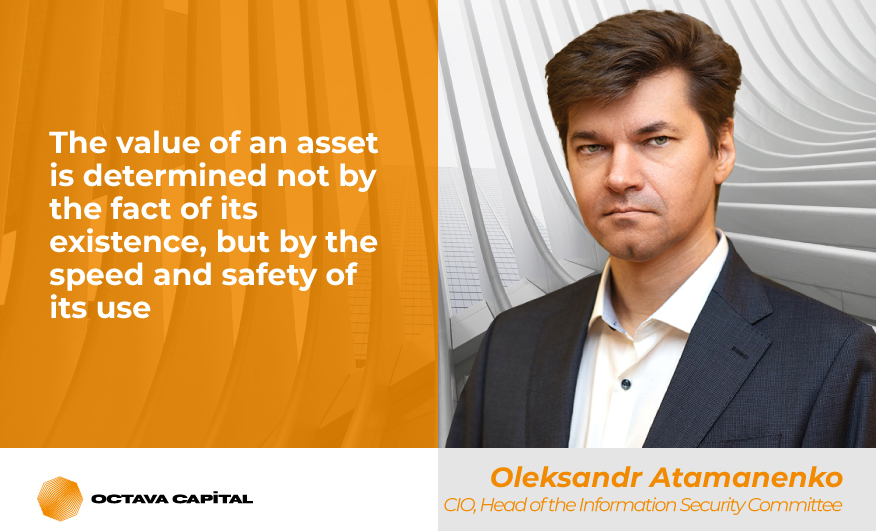
However, the value of an asset is determined not by the fact of its existence, but by the speed and security of its use. How we collect, structure, and protect data depends entirely on the digital infrastructure.
1. The life cycle of technologies has shortened. Today, we see this in the most dynamic and knowledge-intensive markets. Solutions that provided an advantage six months ago are now becoming basic or even losing their effectiveness. The winner is not the one who created a static system, but the one who is able to modernize it “on the fly”. If the infrastructure is not flexible, the business simply will not keep up with changes in the environment.
2. Speed versus data degradation. The best analytics are useless if they are late. Getting perfect data when a solution is already a month out of date is a loss, not analytics. The modern market requires quick but carefully prepared steps.
3. Cyber resilience as the basis of trust. The digital ecosystem must be ready for exponential growth in information volumes and, critically, protected from cyber risks at every point of exchange – between systems, people and partners. Security today is not an add-on to the infrastructure, it is its foundation.
What is the role of the management company and the CIO then? Investments in IT have long ceased to be about buying hardware or software. It is about capitalizing on digital assets. Our task at Octava Capital is to build a management architecture where a strong infrastructure turns the chaotic flow of information into a real competitive advantage.
We do not invest in technology, but in the ability of our businesses to adapt, defend and act faster than their competitors.